
In some ways, the best found-footage movie ever made is still The Blair Witch Project. This wasn’t because of the film’s actual quality, but because of the effect it had on audiences back in 1999. When it was released, found-footage movies just weren't a well-known thing and the marketing campaign for the movie made it seem as though the events depicted actually happened. Since then, better found-footage movies have been made that have replay value — a quality The Blair Witch Project sorely lacks — but none since have ever tricked audiences quite so effectively.
In a similar vein, Cloverfield, which is leaving Paramount Plus on Dec. 1, deserves its place in the found-footage movie hall of fame, because Matt Reeves’ film remains a singular achievement nearly 20 years after its release, albeit for a very different reason.
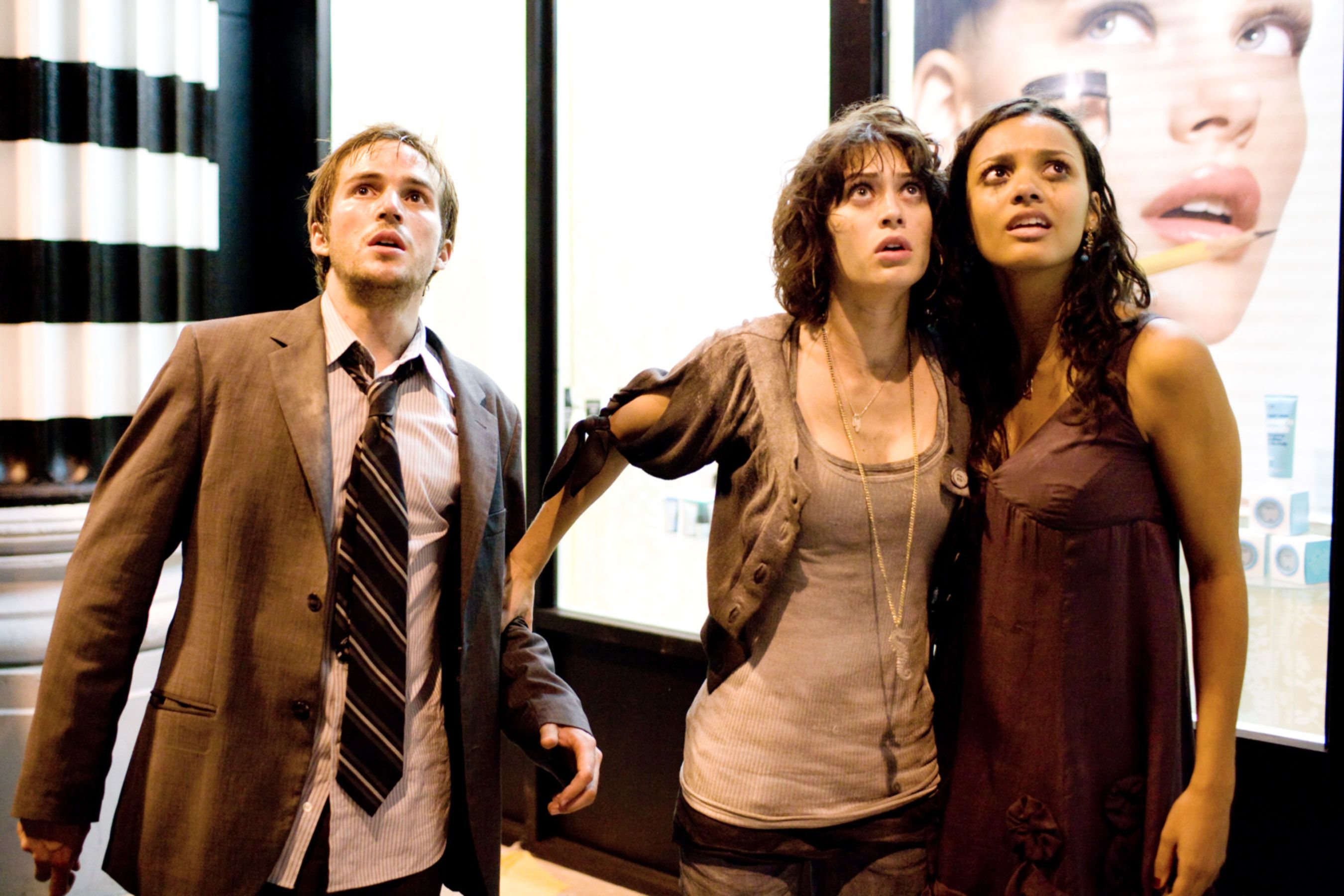
Cloverfield is about a group of young adults at a party in lower Manhattan when New York is invaded by a giant kaiju-like alien. At first, the friends are being escorted out of the city via the Brooklyn Bridge, but then Rob (Michael Stahl-David) gets a call from Beth (Odette Yustman), the woman he loves, who is part of the friend group. Beth is trapped uptown in a half-collapsed building, so Rob resolves to save her and a few of his friends join him. Meanwhile, Hud (T.J. Miller), who was filming the party, keeps filming everything for posterity.
Now, Cloverfield didn’t trick people into believing it was real the way The Blair Witch Project did. After all, had New York City been destroyed by a giant monster, it would have at least been on the news. Still, Cloverfield did the next best thing by employing a truly mysterious marketing campaign.
 Netflix
The very first trailer for Cloverfield merely showed the party going on. Then the partygoers saw a news report about something going on across town. Everyone hurries up to the roof of the building to get a better look and hear a huge roar in the distance. They see a giant explosion uptown with debris flying all over the city. Everyone rushes down to the street where another piece of debris lands nearby: the head of the Statue of Liberty. The trailer ends there.
As for the poster, it was merely a shot of New York City beneath a cloud of smoke, with a headless Statue of Liberty looming over it. You didn’t learn until you saw the movie that its plot centered on the giant alien terrorizing the city.
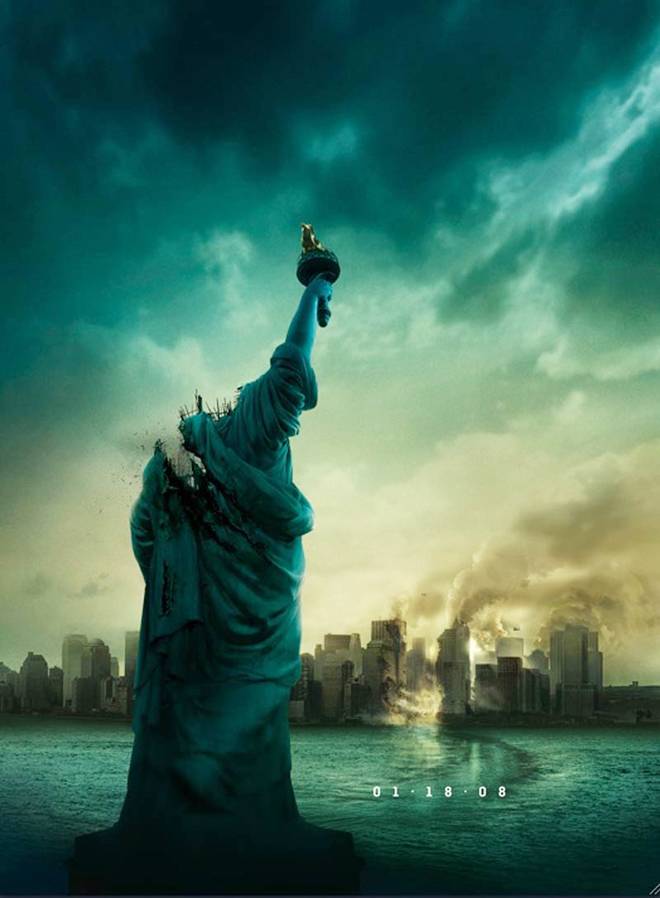 Image: Paramount
The movie also benefited from timing in a somewhat uncomfortable way. Released in 2008, just seven years after the terrorist attacks of Sep. 11, 2001, the film arrived while memories of the attacks were still fresh. With images of smoke-covered New York, collapsing buildings, and dust-filled city streets, the movie purposefully leaned into the real-life horrors of that day.
Cloverfield is still unlike any other found-footage movie
By 2008, there had already been a number of other found-footage films since The Blair Witch Project, but nothing like Cloverfield. Until then, found-footage films weren't just an aesthetic choice, they were usually done out of financial necessity to make up for a slim budget. But Cloverfield was produced by J. J. Abrams and cost $30 million. By today’s standards, that’s not a huge budget for a movie, but it’s not an indie either. Cloverfield used the found-footage technique to take a unique approach to the giant-monster disaster genre. Even today, found-footage movies are generally more grounded horror films that don’t really deal with monsters of that scale. Cloverfield is also different from other giant monster movies, because its found-footage approach creates an up-close, visceral experience that sets it apart.
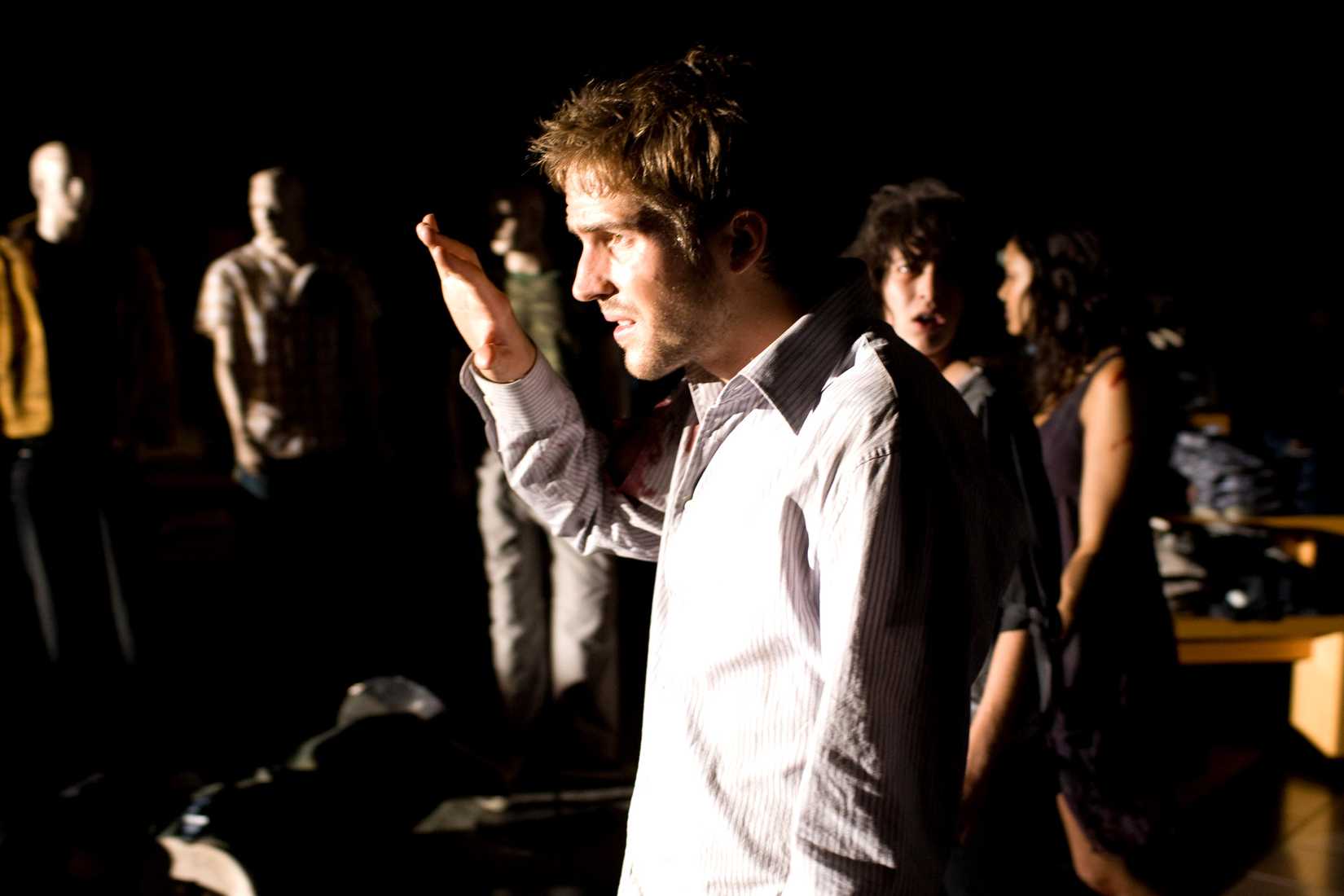 Image: Paramount / Courtesy Everett Collection
And unlike something like The Blair Witch Project, Cloverfield does have replay value. It’s a solid monster movie with really great set pieces and characters you grow attached to. Even if you see things coming and you know which way the camera is going to swing next, the narrative is well-constructed and the creature is still really cool. That’s precisely why you should check out the movie one more time before it leaves Paramount Plus.
Cloverfield is available to stream on Paramount Plus until Dec. 1.